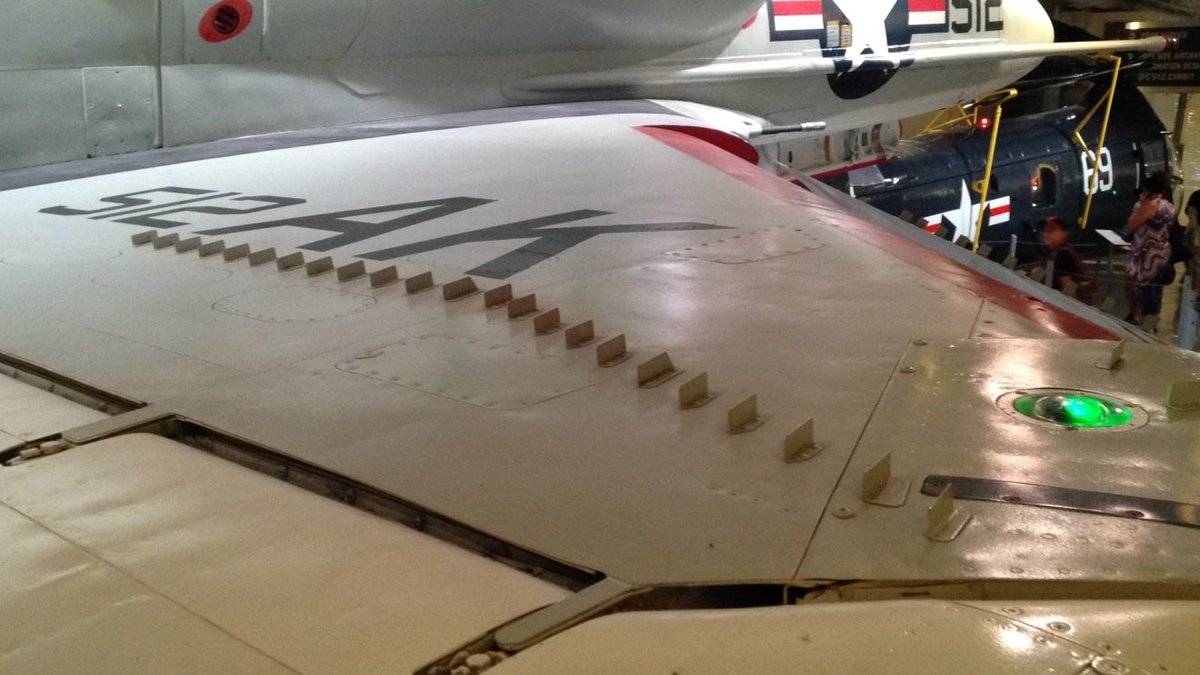
Imagine a tiny, unassuming device that can transform the performance of an aircraft, a wind turbine, or even a car. That's the power of the vortex generator (VG) – an ingenious piece of aerodynamic engineering designed to unlock greater efficiency and stability. These small, often triangular or rectangular airfoils strategically placed on various surfaces might seem minor, but their impact on flow control is anything but. They're silent workhorses, expertly manipulating air currents to prevent issues like flow separation, which can critically impair aerodynamic performance.
At its core, a vortex generator's job is to create controlled swirls of air, known as vortices. These vortices act like tiny energy conduits, drawing fast-moving air from outside the boundary layer down to the surface. This re-energizes the sluggish air directly in contact with the surface, making it more robust and less likely to detach. The result? Enhanced lift, reduced drag, improved control, and significantly greater stability, particularly at lower speeds or during challenging conditions. To truly grasp the fundamental ideas and historical journey of these devices, we invite you to explore Understanding Vortex Generators: Principles and.
The Science Behind the Swirl: How VGs Re-energize Airflow
The magic of vortex generators lies in their elegant simplicity and profound effect on airflow dynamics. Positioned at a slight angle to the local airflow, each VG creates a focused "tip vortex" – a miniature tornado of air. This vortex actively pulls higher-energy, rapidly moving air from the free stream down into the slow-moving, often turbulent boundary layer that clings to the surface of a wing or fuselage. By injecting this kinetic energy, the boundary layer becomes more robust and turbulent, which surprisingly makes it far more resistant to separation than a smooth, laminar flow would be.
Typically, VGs are found near the leading edge or the thickest point of an aerodynamic surface, arranged in spanwise lines. Their height is meticulously chosen to be approximately equal to the local boundary layer, ensuring maximum effectiveness. This clever re-energization process significantly delays the point at which airflow would otherwise detach from the surface, preserving lift and control authority. For a deeper dive into the precise scientific underpinnings and Explore Vortex Generator Mechanisms that make this possible, delve into our dedicated guide.
Shaping Performance: Types and Design Considerations
The effectiveness of a vortex generator isn't just about its presence; it's also about its precise configuration. While often depicted as simple rectangles or triangles, VGs come in various shapes, sizes, and orientations, each optimized for specific aerodynamic challenges and applications. Factors like height, chord, angle of attack relative to the local flow, and spacing along the surface all play a critical role in generating the desired vortex strength and interaction with the boundary layer. Engineers carefully consider the specific flow characteristics of a given surface—be it a high-speed aircraft wing or a low-speed wind turbine blade—to determine the optimal design and placement for maximum benefit. For a comprehensive overview of the different forms these devices take and the critical Vortex generator types and design strategies involved in their implementation, our detailed pillar guide offers expert insights.
Beyond the Wing: Diverse Applications Across Industries
The versatility of vortex generators extends far beyond their most commonly recognized role in aviation, influencing performance across a spectrum of industries. These small but mighty devices are continually being adapted to enhance efficiency and stability wherever airflow control is paramount.
Aviation's Aerodynamic Advantage
In the skies, VGs are indispensable. Aircraft wings, vertical tails, and even fuselages often feature them to boost lift, reduce drag, and critically increase stability, especially during low-speed flight or near-stall conditions. From improving the handling of light aircraft like the Symphony SA-160 to enhancing the capabilities of combat jets such as the ST Aerospace A-4SU Super Skyhawk, VGs are vital. They're particularly effective on swept-wing transonic designs, where they alleviate potential "shock-stall" problems. Even passenger comfort benefits, with Airbus A320 family aircraft using VGs on the wing underside to reduce noise from fuel tank vents, with airlines like Lufthansa reporting significant noise reductions. To explore the full spectrum of Explore VG applications in aircraft, including specific examples and their impact on flight safety and performance, our specialized guide awaits.
Powering the Future: Wind Energy Efficiency
The quest for greener energy has also embraced vortex generators. On the massive blades of wind turbines, VGs are employed to optimize aerodynamic performance, significantly boosting energy capture. By mitigating turbulence-induced fatigue, they extend the operational life of the blades and enhance overall turbine power output, contributing to more efficient renewable energy generation.
On the Road: Automotive Aerodynamics
Even the ground beneath us benefits from VG technology. In automotive engineering, vortex generators appear on surfaces like car roofs or rear spoilers. Here, their role is to boost aerodynamic efficiency, enhance stability at higher speeds, and even contribute to fuel conservation by optimizing airflow over the vehicle body.
Unlocking Performance: The Benefits of Targeted Flow Control
The strategic deployment of vortex generators translates into a host of tangible benefits across their diverse applications. The most immediate advantages include enhanced aerodynamic performance, a noticeable improvement in lift, and a welcome reduction in drag. This directly leads to increased efficiency and energy capture, alongside improved stability in challenging environmental conditions.
For light aircraft pilots, VGs can be a game-changer. They significantly lower stall speed, allowing for reduced take-off and landing speeds – a boon for short take-off and landing (STOL) performance. Furthermore, controllability at low speeds is markedly improved. Twin-engined aircraft experience even more profound advantages; manufacturers often claim VGs reduce the critical single-engine control speed (Vmca), increase zero fuel and gross weight capacities, improve aileron and rudder effectiveness, and provide a smoother ride in turbulence, creating a more stable instrument platform. A particularly compelling benefit for older light twin-engine airplanes certified in the US (pre-1991) was the ability to increase Maximum Takeoff Weight (MTOW). By slightly reducing the stalling speed (Vs0), VGs could help meet climb performance regulations with a higher MTOW, maximizing utility. For a deep dive into how these devices precisely influence aerodynamic Performance Impact of Vortex Generators, explore our comprehensive analysis.
The Other Side of the Coin: Considerations and Challenges
While the benefits of vortex generators are substantial, it's important to acknowledge some practical considerations and potential drawbacks. For aftermarket installations, VGs can sometimes lead to a slight reduction in cruise speed – tests on certain Cessna and Piper models, for instance, showed a minimal decrease of 1.5 to 2.0 knots, an effect that lessens at higher speeds.
On the ground, these small protrusions can make tasks like clearing snow and ice from wing surfaces more challenging. Their sharp edges also necessitate special airframe covers to prevent tearing. Cost can be another factor: while relatively inexpensive for home-built and experimental aircraft, the certification process for installing VGs on already certified aircraft can be prohibitively high, reflecting the rigorous safety standards required for aviation modifications.
The Future of Flow Control
Vortex generators, though small, represent a powerful testament to the impact of precision engineering on macroscopic performance. From making air travel safer and more efficient to enhancing the capture of renewable energy and improving automotive dynamics, their role in manipulating airflow is ever-evolving. As industries push the boundaries of design and efficiency, the principles behind vortex generation will continue to inspire new innovations, ensuring that targeted flow control remains a critical tool in the aerodynamicist's toolkit. The ongoing research into advanced materials, optimized geometries, and adaptive VG systems promises an even more integrated and intelligent approach to harnessing the power of air.