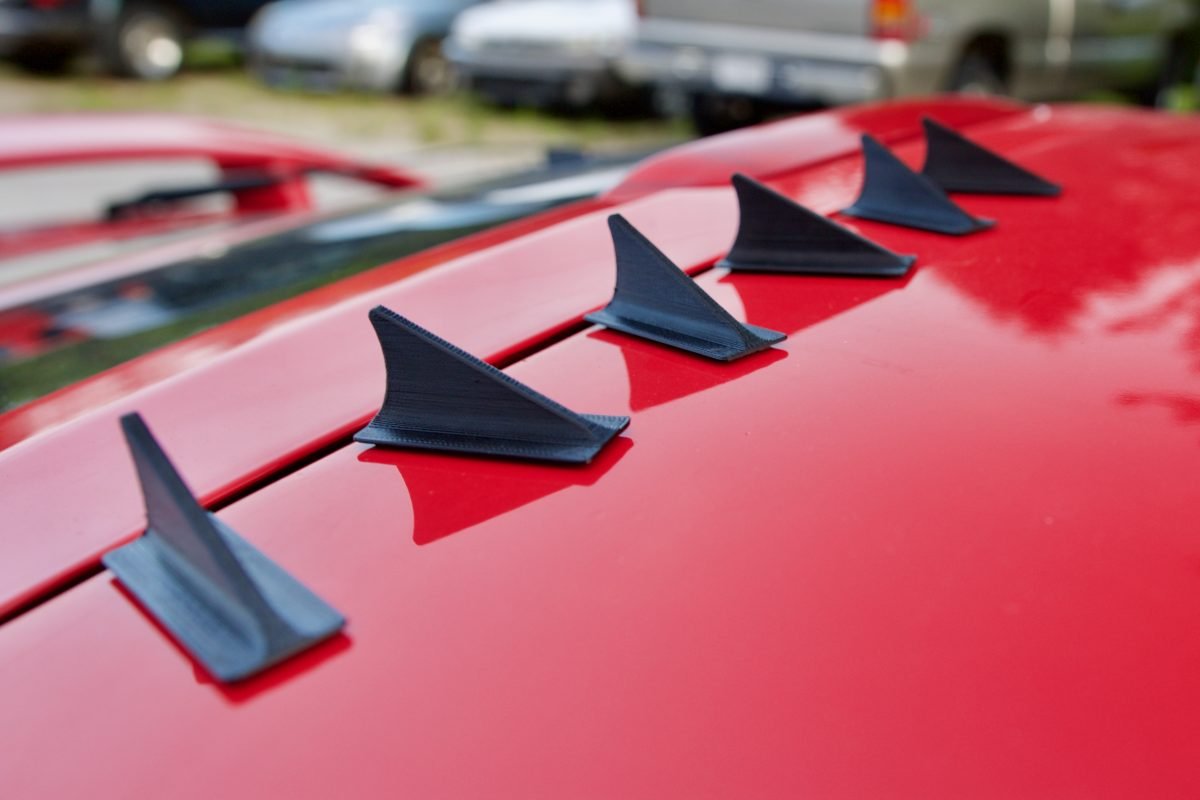
Imagine your aircraft flying smoother, safer, and with enhanced low-speed control – sometimes even boosting its payload capacity. That's the tangible promise of thoughtfully integrated Installation, Certification, and Aftermarket Vortex Generators. These unassuming aerodynamic devices, often barely noticeable, punch well above their weight in transforming an aircraft's performance envelope.
Vortex generators (VGs) aren't just an engineering curiosity; they're a critical tool in managing airflow to prevent aerodynamic stall, enhance control, and improve overall operational safety and efficiency for a wide range of aircraft, from light general aviation planes to commercial airliners and military jets. For many aircraft owners, especially those with cherished older models, understanding the nuances of how VGs work, how they're installed, and what the certification process entails is key to unlocking significant upgrades.
At a Glance: Key Takeaways on Vortex Generators
- What They Are: Small, fin-like devices that create controlled air vortices to re-energize the boundary layer and prevent premature airflow separation.
- Core Benefit: Primarily delays aerodynamic stall, allowing for lower stall speeds, improved low-speed control, and enhanced control surface effectiveness (ailerons, elevators, rudders).
- Aircraft Applications: Boosts Short Takeoff and Landing (STOL) capabilities, improves maneuverability, increases safety margins, and can even reduce noise.
- Aftermarket Appeal: Popular for retrofitting older aircraft, often through pre-engineered kits, offering significant performance upgrades without replacing the airframe.
- Certification is King: Every VG installation requires stringent certification, typically via a Supplemental Type Certificate (STC), to ensure safety and airworthiness.
- Trade-offs: While benefits are significant, expect a modest reduction in cruise speed (typically 1.5 to 2.0 knots) and minor considerations for maintenance like cleaning and de-icing.
- Hidden Advantage: For some twin-engine aircraft, VGs can lead to an increase in maximum takeoff weight (MTOW) due linked to improved single-engine climb performance.
The Unseen Advantage: How Vortex Generators Work Their Aerodynamic Magic
Vortex generators are often described as "aerodynamic fins," but their true genius lies in their simplicity and profound impact. Picture the air flowing over your wing or tail. Close to the surface, this air—the boundary layer—slows down due to friction. At higher angles of attack or lower speeds, this slow-moving air can separate from the surface entirely, leading to a loss of lift and control: an aerodynamic stall.
This is where VGs step in. These small, usually rectangular or triangular, devices are strategically mounted at a slight angle to the local airflow. As air passes over them, they generate miniature, controlled spirals of air—vortices. These vortices act like tiny blenders, mixing the high-energy, fast-moving air from the free-stream with the sluggish boundary layer. This re-energizes the boundary layer, keeping it attached to the surface for longer, even at higher angles of attack.
The result? Your wing or control surface can generate lift and control more effectively, especially when you need it most. This improved airflow management translates directly into tangible benefits for pilots and aircraft owners. You'll find VGs visibly employed on diverse aircraft, from the military TA-4SU Super Skyhawk to the civilian Symphony SA-160.
A Deeper Dive: Why Aircraft Owners Look to VGs for Performance Upgrades
The decision to install vortex generators isn't just about curiosity; it's often driven by a desire for measurable improvements in safety, handling, and operational flexibility.
Enhanced Control & Safety Margins
One of the most compelling reasons for VGs is their ability to reduce stall speed. By keeping the boundary layer attached longer, VGs allow the wing to operate effectively at slower airspeeds before stalling. This can shave several knots off your published stall speed, providing a wider margin of safety, especially during critical phases of flight like takeoff and landing.
Moreover, VGs maintain the effectiveness of control surfaces—ailerons, elevators, and rudders—at lower airspeeds. This means crisper, more responsive control when you're flying slowly, whether it's in the traffic pattern, during short-field operations, or in gusty conditions.
Shortening Takeoff & Landing Distances
The ability to maintain lift at lower speeds directly translates to improved Short Takeoff and Landing (STOL) capabilities. With VGs, your aircraft can lift off at a lower speed and touch down more slowly, requiring less runway. For pilots operating out of shorter strips or looking to enhance their aircraft's utility, this is a significant advantage.
Boosting Operational Performance & Payload
For some aircraft, particularly twin-engine light aircraft, VGs offer an additional, often overlooked, benefit: the potential to increase maximum takeoff weight (MTOW). This benefit stems from the improved single-engine-inoperative climb performance resulting from a reduced stall speed. While regulatory frameworks vary (this was particularly relevant under U.S. regulations prior to 1991), a higher MTOW means you can carry more fuel, more passengers, or more cargo, significantly increasing the aircraft's mission flexibility. It's important to note that landing weight limits are rarely affected by VG installations.
Beyond the Cockpit: Other Applications
While our focus is aviation, VGs demonstrate their versatility in other fields too. They enhance blade efficiency in wind turbines, increasing energy output, and control boundary layer separation on spoilers and diffusers in high-performance automobiles, improving downforce and stability. This wide applicability underscores their fundamental aerodynamic effectiveness.
The Path to Performance: Installation of Vortex Generators
Installing vortex generators is less about brute force and more about precision. Because VGs manipulate sensitive airflow patterns, their placement, angle, and size are meticulously engineered to match the specific characteristics of an aircraft's boundary layer.
VGs are typically mounted in specific patterns, often in rows, on critical surfaces. You'll commonly find them:
- On the upper surface of wings: Just behind the leading edge, to keep airflow attached over the main wing and control surfaces like flaps and ailerons.
- On vertical stabilizers and horizontal stabilizers: To improve rudder and elevator effectiveness, especially at slower speeds.
- On other critical areas: Such as fuselages to smooth airflow or around specific vents for noise reduction.
The installation process for certified aircraft always requires a skilled, certified aviation mechanic. It involves:
- Surface Preparation: Thorough cleaning and degreasing of the airframe surface where VGs will be applied.
- Precise Layout: Marking the exact locations for each VG according to the manufacturer's Supplemental Type Certificate (STC) instructions, often using templates. This step is crucial, as even slight misalignments can compromise effectiveness.
- Adhesion/Attachment: Most aftermarket VGs are attached using specialized aerospace-grade adhesives, while some OEM installations might involve rivets or other mechanical fasteners. Adhesion requires specific environmental conditions (temperature, humidity) and cure times to ensure a permanent, secure bond.
- Inspection: A meticulous final inspection to confirm all VGs are correctly installed, aligned, and securely fastened, followed by logbook entries.
It's not a DIY project; the aerodynamic implications are too significant. Proper installation is directly tied to the certification process, ensuring the modification performs as intended and doesn't introduce new hazards.
The Seal of Trust: Certification and Compliance for VGs
For any modification to a certified aircraft, safety and regulatory compliance are paramount. When it comes to vortex generators, this means a rigorous certification process. You simply cannot attach VGs to your aircraft without proper authorization.
OEM vs. Aftermarket Certification
- Original Equipment Manufacturer (OEM) VGs: If an aircraft comes from the factory with VGs, they are part of the original type certification. Their design, installation, and performance are approved as an integral part of the aircraft's initial design.
- Aftermarket VGs: This is where most individual aircraft owners engage with VGs. To install VGs on an aircraft not originally equipped with them, the modification must be approved by the aviation authority (e.g., FAA in the U.S., EASA in Europe) through a Supplemental Type Certificate (STC).
Understanding the Supplemental Type Certificate (STC)
An STC is essentially an approval issued by an aviation authority for a major modification or alteration to a type-certificated product (like an aircraft, engine, or propeller). For VGs, an STC package includes:
- Detailed Engineering Data: Proof that the VGs are designed correctly, structurally sound, and will perform as advertised without negatively impacting other aircraft systems or characteristics.
- Installation Instructions: Step-by-step guidance for mechanics on how to properly install the VGs.
- Flight Test Data: Comprehensive results from flight testing that demonstrate the VGs achieve their intended performance benefits (e.g., stall speed reduction) and that the aircraft continues to meet all airworthiness requirements after the modification.
- New Aircraft Flight Manual Supplements (AFMS): Crucially, the STC will include changes or additions to your aircraft's operating limitations and performance data, which must be inserted into your official aircraft flight manual. This will detail the new stall speeds, any cruise speed changes, and other operational considerations.
The certification process is exhaustive and costly for the company developing the STC. This cost is then factored into the price of the aftermarket VG kit. This ensures that every kit sold under an STC has been thoroughly tested and proven safe and effective for the specific aircraft models it's designed for. Trying to install uncertified VGs is illegal, dangerous, and will likely render your aircraft unairworthy.
Unlocking Potential: Aftermarket Vortex Generator Kits
The aftermarket for vortex generators is robust, offering aircraft owners a proven pathway to enhance the performance and safety of existing airframes. Companies like Micro AeroDynamics are prominent in this space, providing STC-approved VG kits for a wide array of popular general aviation aircraft, including models like the Cessna 182K and the Piper PA-28-235 Cherokee.
Aftermarket VG kits typically come with everything needed for installation, including the VGs themselves, templates, adhesive, and, most importantly, the full STC documentation and updated aircraft flight manual supplements.
The Benefits You Can Expect
When you invest in an aftermarket VG kit and have it professionally installed under an STC, you can generally anticipate:
- Significant Stall Speed Reduction: Often by several knots, making landings safer and approach speeds slower.
- Enhanced Low-Speed Control: Improved aileron, elevator, and rudder authority at lower airspeeds, leading to a more stable and controllable aircraft in the traffic pattern and during short-field operations.
- Shorter Takeoff and Landing Distances: Directly resulting from lower stall and approach speeds.
- Improved Single-Engine Climb Performance: For twin-engine aircraft, a critical safety enhancement.
- Smoother Ride in Turbulence: Some pilots report a slightly more stable feel due to better boundary layer management.
The Realistic Trade-Offs
It's essential to approach any aircraft modification with a balanced perspective. While VGs offer substantial benefits, they do come with minor trade-offs:
- Modest Cruise Speed Reduction: Due to the added drag, albeit minimal, from the VGs themselves. Expect a reduction of approximately 1.5 to 2.0 knots. For most pilots, the safety and performance benefits at the lower end of the speed envelope far outweigh this slight cruise penalty.
- Maintenance Considerations: VGs require attention during pre-flight checks and maintenance. They can complicate surface cleaning, especially de-icing, and their sharp edges can potentially damage airframe covers if not handled carefully.
Despite these minor considerations, for many aircraft owners, the return on investment in terms of safety, control, and operational flexibility makes aftermarket VGs a worthwhile modification. Learn more about vortex generators and how they're transforming aviation performance and safety.
Beyond the Initial Boost: Living with Vortex Generators
Once installed and certified, vortex generators generally require minimal specific maintenance beyond routine inspections. However, there are a few practical considerations you'll want to keep in mind.
Cleaning and De-icing
The small fins of VGs can accumulate dirt, bugs, or even ice, just like the rest of your airframe. Routine cleaning is straightforward, but care must be taken not to damage or dislodge the VGs. For de-icing, pilots need to be aware that ice can accumulate around the VGs, potentially altering their aerodynamic function. Specific procedures might be outlined in your AFMS or the STC holder's documentation for dealing with ice on VG-equipped surfaces.
Protecting Your Investment
Those sharp VG edges, while aerodynamically necessary, can pose a minor risk to aircraft covers. If you use custom covers for your wings or tail, ensure they are designed or adapted to accommodate the VGs to prevent tears or damage. A simple solution is often to reinforce cover areas that come into contact with the VGs.
Pre-flight and Annual Inspections
VGs should become a regular part of your pre-flight inspection. Visually check that all VGs are present, securely attached, undamaged, and free from obstructions. During annual inspections, mechanics will pay close attention to the integrity of the VGs and their adhesion to the airframe, ensuring they remain in an airworthy condition.
Frequently Asked Questions About Vortex Generators
Navigating aircraft modifications often brings up common questions. Here are crisp answers to some of the most frequent inquiries about VGs:
Do VGs always reduce cruise speed?
Yes, typically. The addition of VGs introduces a small amount of parasitic drag. The common expectation is a reduction of 1.5 to 2.0 knots in cruise speed. However, this is usually a small price to pay for the significant low-speed performance and safety benefits.
Can I install VGs myself?
No. Vortex generator installation on certified aircraft is a major alteration that requires adherence to an approved Supplemental Type Certificate (STC). This work must be performed or supervised by a certified aviation mechanic and properly logged to maintain airworthiness.
Are VGs only for older aircraft?
Not at all. While aftermarket VGs are very popular for retrofitting older general aviation aircraft, VGs are also designed into many modern aircraft (both fixed-wing and rotorcraft) from the factory for various purposes, including performance enhancement and noise reduction.
Do VGs help with landing weight limits?
Rarely. While VGs can often increase maximum takeoff weight (MTOW) for twin-engine aircraft due to improved single-engine climb performance, they generally do not impact maximum landing weight limits, which are typically governed by structural considerations or specific landing performance requirements.
The Future is Flowing: Innovations in Vortex Generation
The story of vortex generators isn't static; it's continuously evolving with new research and applications.
One fascinating development is the use of VGs for noise reduction. On aircraft like the Airbus A320 family, specialized VGs installed underneath the wings are designed to smooth airflow over circular pressure equalization vents. This seemingly small alteration has led to a measurable noise reduction of up to 2 dB, contributing to quieter operations for both passengers and communities near airports.
Looking ahead, researchers are exploring:
- Active VGs: Deployable or retractable VGs that can be activated only when needed, minimizing cruise drag.
- Flexible VGs: Made from deformable materials that can adapt their shape to changing flight conditions.
- Microfabricated VGs: Tiny, high-density designs that offer precise control over boundary layer flow at a minute scale, opening doors for even more nuanced aerodynamic control.
These innovations promise even greater efficiency, adaptability, and performance benefits from these small, powerful aerodynamic devices.
Making the Right Choice: Your Next Steps with Vortex Generators
Deciding whether to install vortex generators on your aircraft is a decision that blends technical understanding with your specific operational needs. If you're considering this modification, here are actionable next steps:
- Consult with a Certified Mechanic or Avionics Shop: Talk to professionals who have experience with VG installations. They can provide insights specific to your aircraft model and discuss the practicalities and costs involved.
- Review Available STCs: Research companies that offer STC-approved VG kits for your particular make and model of aircraft. Thoroughly examine the performance data and limitations outlined in their STC documentation. Pay close attention to the updated Aircraft Flight Manual Supplements.
- Evaluate Your Mission Profile: Do the benefits of VGs align with how you primarily fly? If you frequently operate out of short fields, desire enhanced low-speed control, or operate a twin where MTOW is a factor, VGs could be a game-changer. If your flying is primarily high-altitude, long-distance cruise, the minor speed reduction might be a larger consideration.
- Understand the Full Cost: Beyond the kit price, factor in professional installation labor, any necessary logbook endorsements, and potential minor adjustments to maintenance routines or covers.
Vortex generators are a testament to the fact that sometimes the smallest changes can yield the biggest impacts. By understanding their installation, certification, and aftermarket landscape, you empower yourself to make informed decisions that can genuinely enhance your aircraft's performance, safety, and your overall flying experience.